
Looking for twitter post image ideas that fit real timeline posts, not generic social media theory? This guide lists practical wide layouts by post type, notes when each idea works, and points to a fast way to test options on the correct canvas in FeatureImg.
The platform is X today, but many people still search for Twitter image guidance. These ideas apply to both. All examples assume the X Post export size: 1600 × 900 px on the X Post format page.
Why Twitter post image ideas matter
Timeline readers scroll quickly. A good image should strengthen the post, not repeat it word for word. The graphic needs one visual direction: launch, lesson, metric, promo, or announcement.
Ideas also reduce blank-canvas delay. You start from a template family instead of guessing layout from zero.
Idea: bold statement image
Fits: POV posts, industry takes, thread openers, short manifesto lines.
Look: large headline, minimal extras, confident color field.
Tip: personality comes from type scale and palette, not extra badges.
Try clean editorial or a bold title template in the X Post editor.
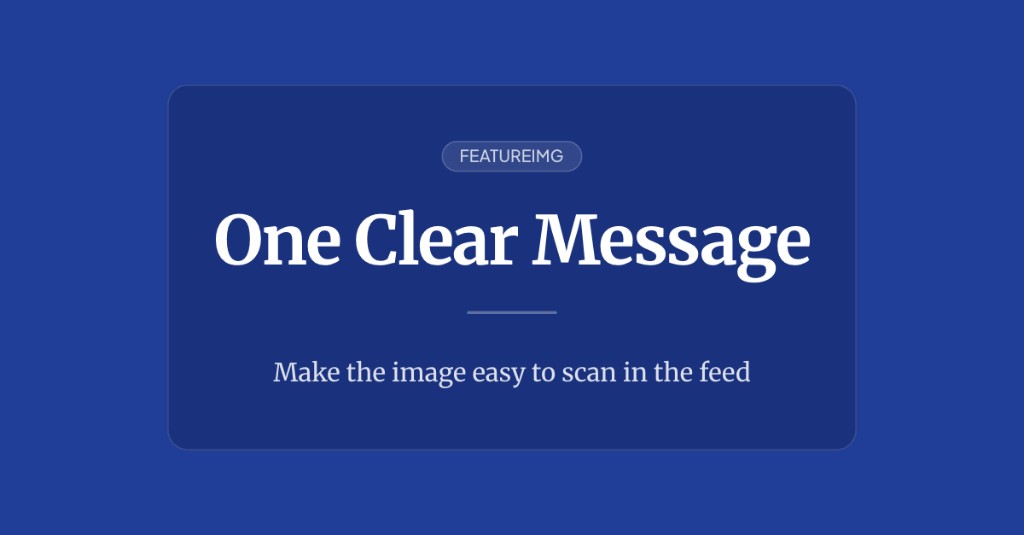
Idea: blog post promo image
Fits: article launches, newsletter issues, resource drops.
Look: article title as the headline, light subtitle for audience or topic.
Tip: name the payoff in the title, not the internal working headline from your CMS.
Clean editorial or full image split work well when you want a calm promo frame or room for a hero visual.
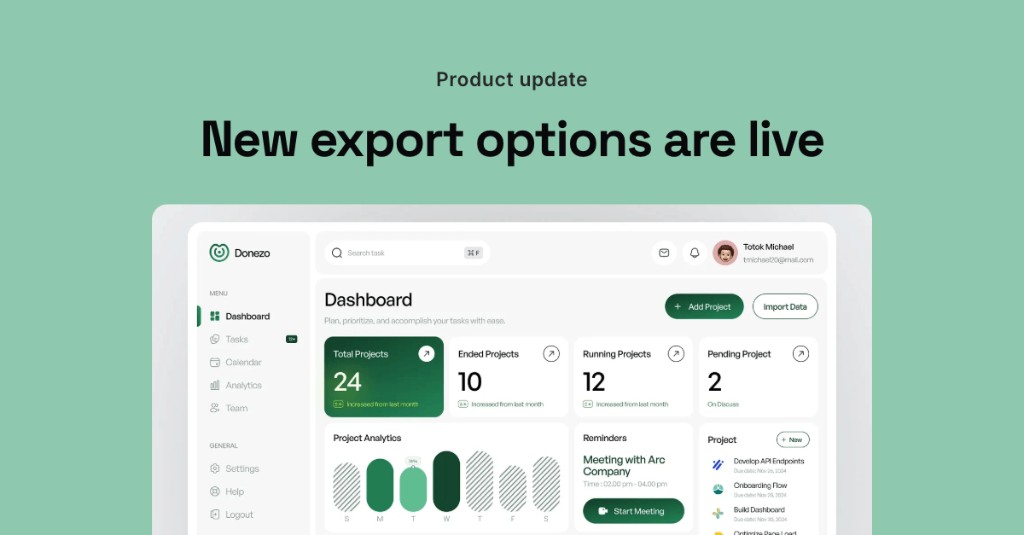
Idea: product update image
Fits: feature launches, changelog posts, beta announcements.
Look: short headline, optional badge line, product screenshot or hero zone.
Tip: name the outcome in the title, not the internal codename.
The product update template matches this rhythm when you want a launch frame with room for a visual.
Idea: podcast episode image
Fits: new episode posts, guest interviews, show milestones.
Look: episode title, guest name, or topic line with a simple visual field.
Tip: keep one line dominant. Episode numbers and guest titles compete fast at feed size.
If you also publish square show art, see podcast cover ideas for the cover format. Timeline promos can reuse the episode title on the wide X Post canvas.
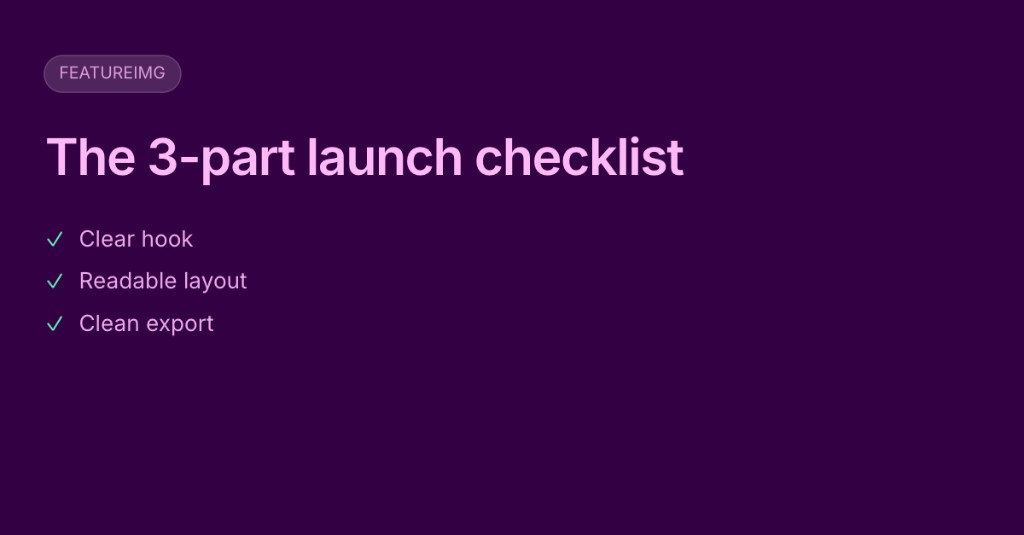
Idea: framework or checklist image
Fits: how-to posts, operating principles, teaching threads.
Look: framework name as the headline, three short labels max (not a full checklist).
Tip: put the detailed steps in the post or thread. The image should name the framework, not list every step.
Clean editorial or data report layouts can carry structured labels without feeling like a slide deck.
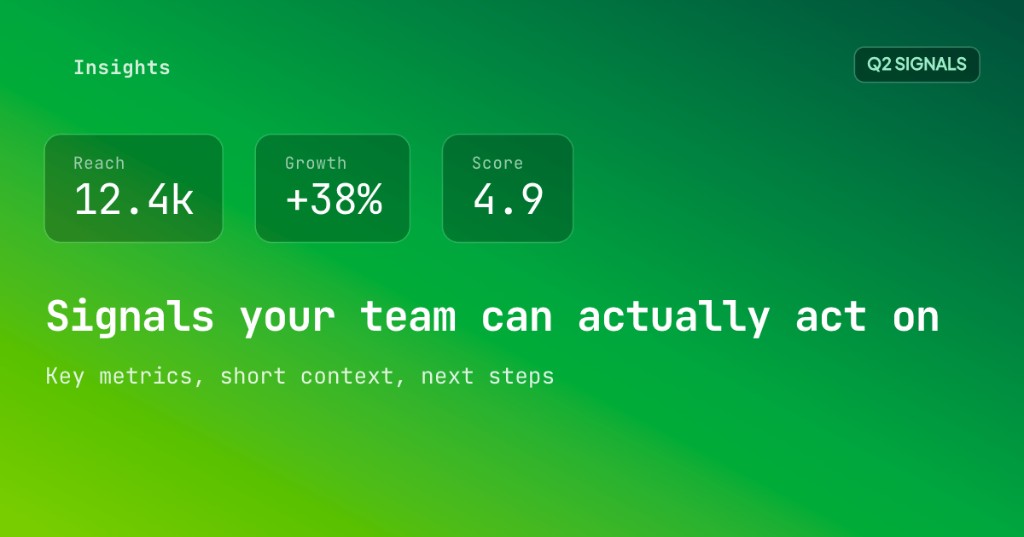
Idea: data point image
Fits: results posts, benchmark shares, milestone updates.
Look: one or two metrics with a short headline that explains why the number matters.
Tip: round large numbers for scanability (“2× faster” beats a precise decimal in the feed).
The data report template is built for metric-led updates.
Idea: screenshot-led image
Fits: demos, UI walkthroughs, before/after product stories.
Look: cropped UI plus headline panel (often via full image split).
Tip: never place small type directly on busy screenshots. Keep labels in the headline zone.
Idea: quote or lesson image
Fits: single insight posts, recap threads, teaching moments.
Look: one sentence as the headline, subdued subtitle optional.
Tip: if the quote is long, shorten it for the image and keep the full version in the post.
How to choose the right idea
| Post goal | Starting idea | Template direction |
|---|---|---|
| Inform or teach | Bold statement or framework image | Clean editorial |
| Launch or release | Product update visual | Product update |
| Promote content | Blog post promo image | Clean editorial or full image split |
| Share a result | Data point image | Data report |
| Demo a product | Screenshot-led image | Full image split |
| Announce an event | Bold statement or product update | Clean editorial or product update |
Ask what the post is trying to do: inform, launch, teach, promote, or summarize. Pick one idea, export, and reuse the same layout family across related posts when consistency helps followers recognize your updates.
For blog-specific promo patterns, blog featured image ideas cover article covers at a different size. For link-preview graphics, see Open Graph image examples.
Mistakes to avoid
Too much text. URLs, paragraphs, and bullet stacks belong in the post, not on the timeline image.
Tiny screenshot details. Interface chrome and footnotes rarely survive mobile scrolling.
Generic stock feel. Random photos signal “placeholder update” instead of a specific story.
Low contrast. Pale type on light backgrounds disappears in busy timelines.
Repeating the post without adding value. If the image says the same sentence as the first line of your post, the visual does not earn its space.
Test ideas quickly in FeatureImg
- Open the X Post format page to confirm size and templates.
- Launch the editor preset.
- Try two templates for the same headline (for example clean editorial vs product update).
- Swap backgrounds (solid, gradient, shape preset) without resizing the canvas.
- Export the strongest option at 1600 × 900 px.
You are comparing hierarchy and readability, not chasing a perfect illustration on day one.
Related guides
- Twitter post image size guide for dimensions and layout habits
- How to create a Twitter post image for step-by-step workflow
Create your Twitter post image
Pick one idea that matches your post type, keep the headline readable, and preview at feed scale. When you are ready, start from the X Post format page or open the X Post editor preset.